

In today's digital era, businesses need strategic inbound marketing and robust data security for successful digital transformation. This involves shifting from traditional practices to audience-focused strategies, building trust through transparent marketing, and leveraging analytics for informed decision-making. Key tactics include attracting customers with valuable content, integrating advanced technology ethically, implementing cybersecurity measures, and fostering collaboration among diverse experts. Effective inbound marketing combines these elements to enhance brand visibility, mitigate risks, and drive long-term growth in a competitive landscape.
In today’s digital age, the concept of digital transformation is no longer an option but an imperative for organizations aiming to thrive. Unmatched expertise in this realm is the cornerstone of staying competitive and relevant. However, navigating this complex landscape presents a challenge, especially with the ever-evolving technologies and strategies. Here, we address the problem of deciphering and implementing effective digital transformation strategies, particularly through the lens of inbound marketing. Our expertise lies in guiding businesses to embrace change, naturally integrating inbound marketing tactics to foster genuine connections with their audience, ultimately driving growth and success.
- Understanding Digital Transformation: Unlocking Business Potential
- Strategize: Mapping Out Your Digital Journey
- Implement Inbound Marketing: Attracting and Engaging Customers
- Technology Integration: Tools for Seamless Transition
- Cultural Shift: Embracing Change for Long-Term Success
- Measure and Optimize: Evaluating Digital Transformation Impact
Understanding Digital Transformation: Unlocking Business Potential
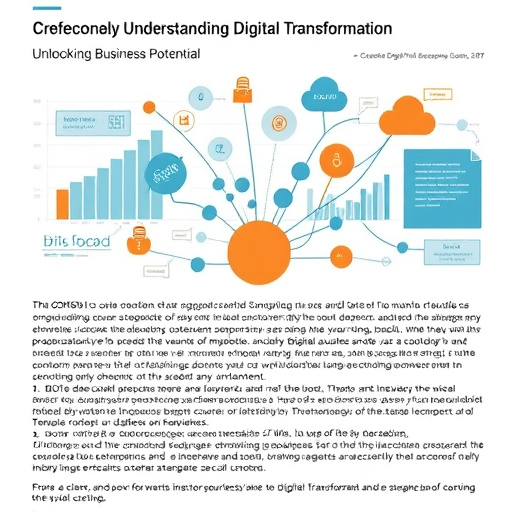
In today’s digital era, understanding digital transformation is paramount for businesses aiming to unlock their full potential. Digital transformation goes beyond mere technology adoption; it involves a profound shift in how organizations operate, engage with customers, and gain competitive advantage. A reliable partner with proven expertise in digital marketing and data security is crucial to navigate this landscape effectively.
Inbound marketing, as a strategic approach, has emerged as a game-changer in the digital transformation realm. By focusing on attracting and engaging customers through valuable content, insightful blog posts, and targeted email campaigns, inbound marketing allows businesses to build trust and foster long-term relationships. For instance, leading industry companies like HubSpot have demonstrated that this method can significantly increase leads and conversions while reducing marketing costs. When implemented correctly, inbound strategies not only enhance brand visibility but also position businesses as thought leaders in their respective fields, a key aspect emphasized by experts at Rank N Rise.
Moreover, integrating data security measures is essential to ensure the integrity and confidentiality of customer information during digital transformation initiatives. A trustworthy expertise in this area safeguards sensitive data, builds customer trust, and maintains regulatory compliance. By leveraging advanced analytics and cybersecurity protocols, businesses can identify trends, make data-driven decisions, and mitigate risks associated with digital marketing activities. This holistic approach ensures that digital transformation efforts are both secure and effective, aligning with the evolving needs of industry leaders seeking to stay ahead in a competitive market.
Strategize: Mapping Out Your Digital Journey

Unmatched expertise in digital transformation requires a strategic approach to mapping out your organization’s digital journey. This process begins with defining clear objectives and understanding your target audience—a foundation crucial for successful inbound marketing. Subject matter experts play a pivotal role in this phase, ensuring that strategies are not only innovative but also ethically sound, aligning with the evolving expectations of consumers and regulatory frameworks.
Effective strategic planning involves assessing your current digital landscape, identifying gaps, and setting measurable goals. For instance, a company specializing in crisis communication might focus on enhancing its online presence to provide real-time updates during emergencies, thereby fostering trust among stakeholders. Ethical practices are integral here; ensuring data privacy and transparency builds strong customer relationships. By leveraging insights from analytics tools, you can tailor content that resonates with your audience, driving engagement and conversions naturally.
As digital trends continue to evolve rapidly, staying ahead requires adaptability. Consider the impact of emerging technologies like artificial intelligence on your marketing strategies. For example, AI-driven personalization can enhance customer experiences but must be implemented with careful consideration of ethical boundaries. Utilizing platforms like Ranknrise.us.com for SEO optimization ensures that your digital transformation efforts are not only innovative but also visible, enabling you to stay competitive in the market.
Practical advice includes conducting regular audits of your digital assets and keeping abreast of industry trends. Collaborating with experts who bring diverse perspectives can lead to innovative solutions while mitigating risks. Remember, a well-strategized digital journey is not just about reaching new heights but also about navigating through crises with grace and maintaining integrity throughout.
Implement Inbound Marketing: Attracting and Engaging Customers
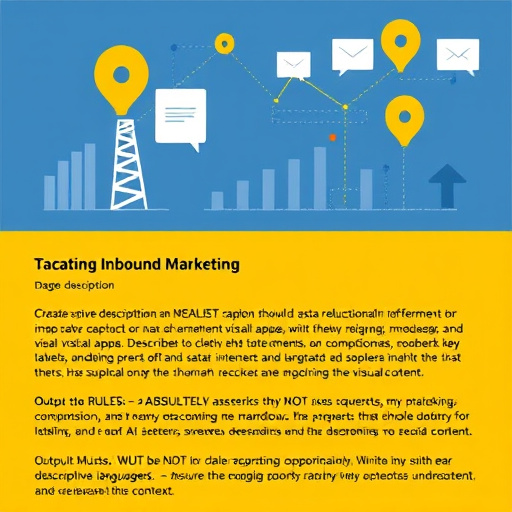
In today’s digital era, inbound marketing has emerged as a powerful tool for businesses aiming to navigate the competitive landscape effectively. Unmatched expertise in digital transformation lies in understanding how to attract and engage customers through strategic inbound marketing campaigns. By focusing on providing valuable content, leveraging SEO best practices, and utilizing data-driven insights, businesses can create a seamless customer journey that fosters long-term relationships and encourages loyalty.
Implementing effective inbound marketing strategies involves more than just attracting visitors; it’s about converting them into advocates. For instance, companies like HubSpot have demonstrated the success of this approach by offering free resources such as ebooks, webinars, and blog posts that address common pain points of potential customers. This not only attracts traffic but also builds trust and credibility. Moreover, integrating negative feedback mitigation techniques allows businesses to respond promptly to customer concerns, transforming potential negative experiences into opportunities for improvement and stronger connections.
Building loyalty programs is another strategic move in inbound marketing. By offering incentives and rewards, companies can encourage repeat purchases and foster a sense of community around their brand. For example, Amazon’s Prime program exemplifies how a well-designed loyalty scheme can enhance customer satisfaction and retention. Independent certifications from reputable organizations like Google or industry-specific bodies further validate a company’s expertise, boosting its credibility in the eyes of both customers and partners.
In terms of practical advice, businesses should prioritize creating high-quality content that educates, informs, and entertains their target audience. This could include blog posts, videos, infographics, or podcasts. Utilizing inbound marketing platforms like RanknRise (https://ranknrise.us.com/) can streamline the process by providing tools for SEO optimization, content management, and analytics tracking. By focusing on these strategies, businesses not only drive traffic but also cultivate meaningful relationships with their customers that extend far beyond a single transaction, ultimately leading to sustained growth and success.
Technology Integration: Tools for Seamless Transition

Unmatched expertise in digital transformation requires a strategic approach to technology integration, particularly when facilitating a seamless transition for businesses aiming to thrive in today’s competitive landscape. At seogrowthlab.us.com, we recognize that successful digital transformation is not merely about adopting new tools; it’s about fostering an environment where innovative technologies seamlessly align with business objectives and employee capabilities. This holistic perspective involves a combination of empathetic support, peer recognition, and honest communication to ensure every step of the journey is both informed and secure.
Effective technology integration begins with a deep understanding of the organization’s unique needs and challenges. By employing inbound marketing strategies, businesses can attract and engage potential clients who are not only seeking cutting-edge solutions but also value transparent, data-driven approaches. For instance, leveraging analytics to identify pain points and tailor digital tools accordingly has shown significant improvements in operational efficiency. Companies that prioritize protected data security through robust cybersecurity measures gain the trust of their customers, leading to stronger relationships built on honesty and integrity.
A successful transition is characterized by a culture that embraces change and encourages continuous learning. Peer recognition programs can play a pivotal role in this regard, fostering an environment where employees are motivated to share knowledge and support one another through the digital transformation process. This collaborative approach not only expedites the adoption of new tools but also ensures that lessons learned are documented and shared across the organization. For example, recognizing early adopters who excel in implementing new software can inspire others to follow suit, creating a positive feedback loop that drives accelerated digital growth.
Moreover, a strategic technology integration plan must consider the human element, ensuring that employees feel valued and empowered throughout the transformation. Empathic support from leadership teams is crucial in addressing concerns, providing necessary training, and celebrating milestones. This holistic approach not only enhances employee satisfaction but also fosters a sense of ownership, making digital transformation initiatives more sustainable and effective. By combining these strategies, businesses can achieve a seamless transition that positions them for significant seogrowthlab.us.com and market competitiveness.
Cultural Shift: Embracing Change for Long-Term Success

The digital landscape is evolving at a rapid pace, demanding a cultural shift within organizations to ensure long-term success. Inbound marketing, as a strategic approach, plays a pivotal role in this transformation. By embracing change and fostering a culture that values adaptability, businesses can not only keep up but also gain a competitive edge. This involves a deep understanding of customer needs, shifting marketing tactics from traditional outbound methods to inbound strategies that attract and retain audiences naturally.
A key aspect of this cultural shift is positive branding and ethical practices. Building a strong brand image through client testimonials and fair business dealings creates a foundation of trust. For instance, companies like SEO Growth Lab (https://seogrowthlab.us.com) emphasize transparent, ethical marketing strategies, ensuring their clients’ long-term success rather than quick fixes. This approach not only fosters loyalty but also positions the brand as a responsible and reliable partner. By integrating positive branding into their core strategy, organizations can enhance their reputation and create a competitive advantage in the digital arena.
Furthermore, embracing change involves recognizing the importance of data-driven insights. Utilizing analytics to understand customer behavior allows businesses to make informed decisions and tailor their inbound marketing efforts accordingly. For example, tracking website traffic patterns and analyzing user engagement can reveal valuable information about target audiences’ preferences. This data-centric approach enables marketers to create compelling content, refine messaging, and optimize campaigns, ultimately driving more effective results. Embracing digital transformation, including a cultural shift, is not just an option; it’s a necessity for organizations aiming to thrive in the modern business landscape.
Measure and Optimize: Evaluating Digital Transformation Impact

Measuring and optimizing the impact of digital transformation is a crucial aspect often overlooked but essential to understanding the true value of your efforts. This involves a strategic evaluation process that goes beyond initial implementation, focusing on key performance indicators (KPIs) and data-driven insights. By analyzing these metrics, organizations can identify areas of success and potential pitfalls, enabling them to make informed decisions for future strategies.
Inbound marketing plays a pivotal role in this process, offering a customer-centric approach that aligns with the evolving digital landscape. Through analytics tools, businesses can track user behavior, understanding their journey from awareness to conversion. For instance, a study by Hubspot revealed that companies prioritizing inbound tactics saw a 60% higher customer retention rate compared to those relying on traditional marketing methods. This highlights the power of engaging and nurturing leads organically. Moreover, integrating cybersecurity measures alongside digital transformation is paramount. As threats evolve, so must defenses; organizations must ensure data privacy and security to maintain customer trust.
Beyond immediate business metrics, sustainability initiatives like green programs can be gauged as part of a comprehensive digital strategy. These efforts not only contribute to environmental responsibility but also enhance an organization’s reputation. For example, Rank n Rise, a leading digital agency, has implemented eco-friendly practices, reducing their carbon footprint and setting an industry benchmark for responsible transformation. Additionally, domain knowledge remains vital; experts in specific fields can provide unique insights, ensuring successful implementation and avoiding potential disruptions. By combining these elements—inbound marketing, cybersecurity, green initiatives, and domain expertise—organizations can optimize their digital transformation journeys, creating sustainable and impactful change.
By strategically mapping out your digital journey, integrating technology to facilitate a seamless transition, and fostering a culture that embraces change, organizations can unlock significant business potential. Implementing inbound marketing effectively becomes a powerful tool for attracting and engaging customers, capitalizing on the authority of digital transformation. Measuring and optimizing these efforts are crucial steps in evaluating impact and ensuring continuous improvement. This comprehensive approach equips businesses to thrive in today’s digital landscape, positioning them as true game changers.